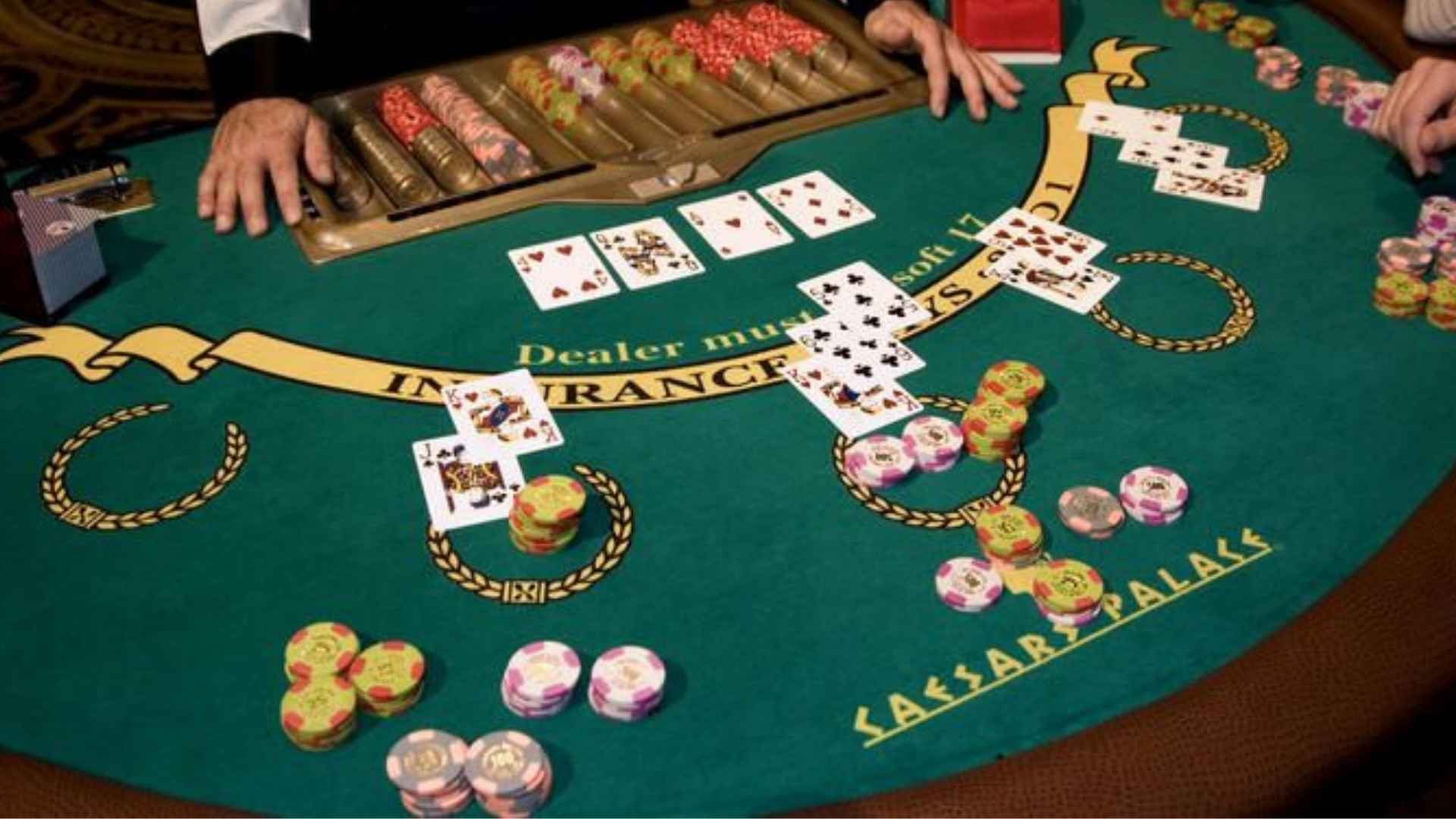
Navigating the baccarat table can initially seem confusing for beginners, especially when extra cards are drawn after the initial deal. While the core objective centers on predicting which hand will total closest to nine, the third card protocol adds an automated layer of complexity. Understanding these supplemental rules allows players to follow the game flow with complete clarity and confidence.
The Initial Deal and Natural Hand Exceptions
Every standard baccarat round begins with two cards dealt to both the Player and Banker positions. Point totals are computed by dropping the tens digit, meaning a hand totaling fifteen becomes a five. This unique scoring system creates predictable outcomes during the opening moments of play.
If either the Player or Banker receives a total of eight or nine on the first two cards, a natural is declared immediately. When a natural occurs, no additional cards are drawn for either side, and the round concludes right away. This fundamental rule takes priority over all other drawing guidelines in the game.
When the Player Hand Receives an Additional Card
When neither hand achieves a natural win, the Player hand is evaluated first to see if an extra card is required. If the Player's initial two-card total stands between zero and five, the hand automatically receives a third card. This mandatory draw gives the hand an opportunity to improve its overall standing.
Conversely, if the Player hand achieves a total of six or seven, it must stand without drawing. Because the drawing criteria for the Player hand are entirely fixed, participants do not need to make tactical choices during this phase. Observing live gameplay through a reliable platform like m88 alternatif helps newcomers observe these automated mechanics in real time.
Understanding the Banker Third Card Conditions
The rules governing whether the Banker receives a third card are slightly more detailed than those for the Player. If the Player hand stands on two cards, the Banker simply draws on totals from zero to five and stands on six or seven. However, when the Player receives a third card, the Banker's action depends directly on the value of that specific card.
For instance, if the Banker holds a total of three, it will draw a third card unless the Player's third card was an eight. Similarly, a Banker total of six only draws an additional card if the Player's third card was a six or seven. These exact conditions ensure that the house advantage remains balanced across every dealt shoe.
Why Automated Rules Benefit New Players
Unlike blackjack, where participants must decide when to hit or stand, baccarat strictly enforces drawing rules via the dealer. Players are never penalized for failing to memorize the underlying tableau, as the table software or dealer executes every action automatically. This structured environment eliminates decision fatigue and lets beginners focus on bankroll management.
Grasping the third card mechanics transforms baccarat from a confusing spectator game into a clear, methodical process. By recognizing why extra cards land on the felt, new players can track every round with heightened engagement and strategic peace of mind.